Moving to a new country often means setting up practical essentials, and one of the first tasks many expats face is opening a bank account. Whether you are relocating for work, retirement, study, or a long-term stay, having a local bank account can make everyday life in the Philippines much easier.
A Philippine bank account allows you to receive payments, pay bills, transfer money, and avoid carrying large amounts of cash. While the process is generally straightforward, the exact requirements may vary depending on the bank and your immigration status.
This guide explains everything you need to know about opening a bank account in the Philippines as a foreigner, including the documents required, the different account types available, and a simple step-by-step process to help you get started.
Can Foreigners Open a Bank Account in the Philippines?

Yes. Foreign nationals can legally open a bank account in the Philippines. However, approval depends on the bank’s internal policies and the documents you can provide. Most banks require proof that you are legally staying in the country and may ask for additional identification or proof of address.
Many expats successfully open accounts once they have established residency or obtained the necessary immigration documents. Some banks may also accept long-term visitors who hold an Alien Certificate of Registration (ACR I-Card).
Types of Bank Account Available
Before opening an account, it is important to understand the most common options.
Savings Account
A savings account is the most popular choice for expats. It allows you to deposit money, make withdrawals, receive transfers, and earn a small amount of interest. Most banks require a minimum opening deposit and a minimum maintaining balance.
Checking Account
A checking account is typically used for larger transactions and may include cheque-writing facilities. Some banks require additional documents or a higher initial deposit for this type of account.
Foreign Currency Account
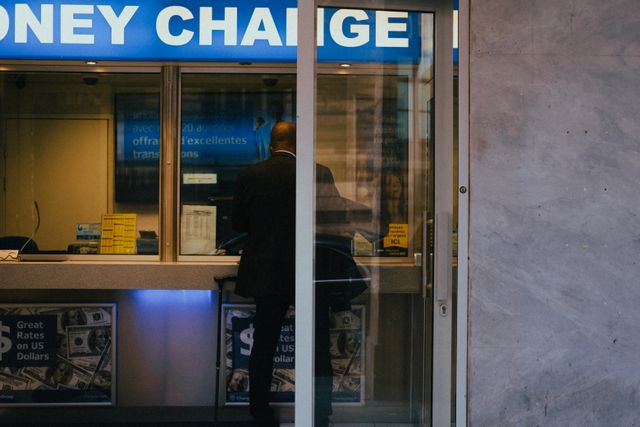
Certain banks allow foreigners to open accounts in currencies such as US dollars, euros, or other major currencies. This can be useful if you receive income from overseas.
Bank Account Requirements for Expats
Requirements differ between banks, but most foreigners will need the following:
Primary Identification
- Valid passport
- Valid visa or proof of legal stay
Additional Identification
Many banks also request:
- ACR I-Card
- Driver’s licence
- National identity card from your home country
- Other government-issued identification
Proof of Address
Banks may ask for:
- Lease agreement
- Utility bill
- Barangay certificate
- Proof of residence in the Philippines
Local Contact Information
Some banks require:
- Philippine mobile number
- Local email address
Initial Deposit
Most banks require an opening deposit. The amount varies depending on the bank and account type.
Step-by-Step Guide to Opening a Bank Account
Step 1: Choose the Right Bank
Start by researching banks that are familiar with foreign clients. Larger banks in major cities often have more experience assisting expats and may offer English-language support.
Consider:
- Branch locations
- ATM availability
- Online banking services
- Minimum balance requirements
- International transfer services
Step 2: Prepare Your Documents
Gather all required documents before visiting the branch.
It is advisable to bring both originals and photocopies. Having additional identification and proof of address can help avoid delays.
Step 3: Visit a Branch
Although some banks offer online applications, many expats are still required to visit a branch for identity verification.
A bank representative will review your documents and explain the available account options.
Step 4: Complete the Application Form
You will be asked to provide personal details, contact information, employment information if applicable, and your local address.
The bank may also ask about the purpose of the account as part of its compliance procedures.
Step 5: Submit Your Documents
The bank will verify your passport, visa status, and other supporting documents. After you enter your personal id information and agree to the Terms and Conditions/Data Privacy Consent, the facility automatically saves your information.
Some banks may require additional checks or request further information before approving the application.
Step 6: Make Your Opening Deposit
Once your application is approved, you will need to fund the account with the required opening deposit. The amount depends on the bank and account type selected.
Step 7: Activate Online Banking
After opening the account, register for online and mobile banking if available. This allows you to transfer funds, pay bills, monitor transactions, and manage your finances remotely.
Can You Open an Account Online?
Some Philippine banks and digital banks allow foreigners to begin the application process online or using mobile app. However, many traditional banks still require an in-person visit for identity verification.
Requirements for online applications may include uploading identification documents, submitting a selfie, and completing a video verification process via mobile phone.