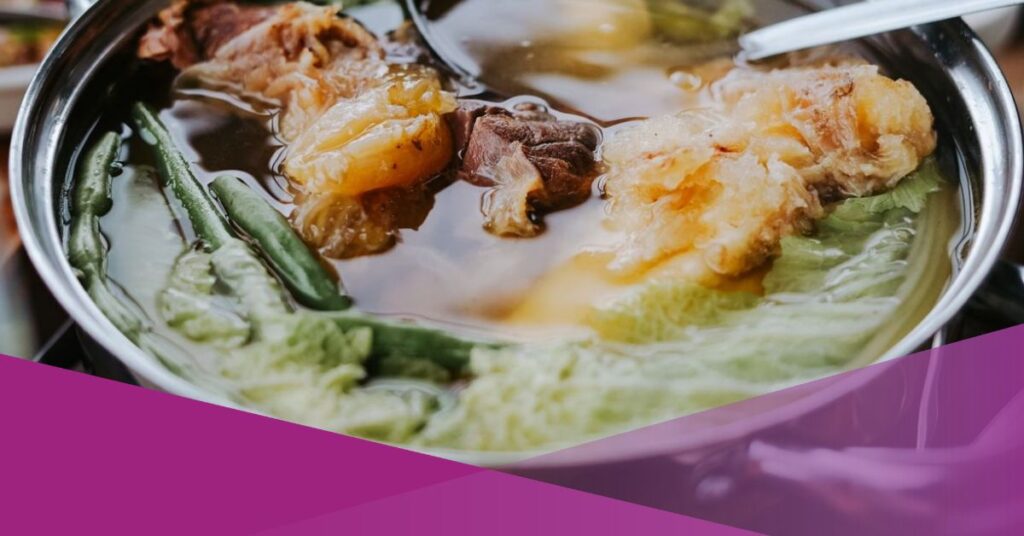
If there is one dish that truly defines the heart and soul of Filipino cuisine, it is Sinigang. A staple in millions of households, this thin, sour, and deeply comforting soup is highly adaptable and almost universally loved. It is one of those rare, magical dishes that you can eat straight for a whole month without ever getting tired of it.
Served alongside a steaming mound of white rice, sinigang satisfies your umami cravings while easily exceeding your daily portions of protein and fresh vegetables. But beyond its mouth-watering taste, sinigang is secretly a nutritional powerhouse. Let’s dive into why this sour masterpiece is so incredibly good for your body.
What is Sinigang?
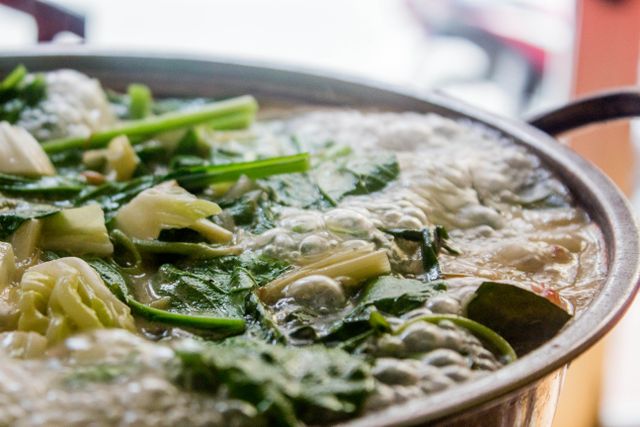
At its core, sinigang is a savoury and tart broth built around a protein, starchy vegetables, leafy greens, and a distinct souring agent. Culinary experts often note that “sourness is the heart of sinigang.”
Traditionally, this signature tang comes from boiling, mashing, and straining unripe green tamarind pods and flowers, though other native fruits like kamias (tree sorrel), siniguelas (Spanish plum), and batuan are also used. Combined with long green peppers (siling haba), it rouses the senses with a sharp sourness and a subtle, warming spice.
The Amazing Health Benefits of Sinigang
1. A Powerful Immunity Booster
The backbone of any good sinigang is its souring agent—most commonly tamarind—and a generous base of tomatoes. Both are naturally packed with Vitamin C and powerful antioxidants. This makes the soup an excellent folk remedy for cellular protection, preventing sunstroke, and accelerating recovery from nasty seasonal flus or viral infections.
2. Soothes Digestion and Beats Bloating
If you suffer from sluggish digestion or constipation, sinigang is your best friend. Tamarind contains natural tartaric acid and polyphenols that stimulate digestive enzymes, promoting smooth nutrient absorption. Furthermore, ginger—a common aromatic in many variations—contains gingerol, a bioactive compound renowned for reducing nausea, soothing the stomach, and offering potent anti-inflammatory effects.
3. Fibre-Rich and Diabetes-Friendly
Sinigang is practically a garden in a bowl. It is traditionally loaded with string beans (sitaw), eggplant, okra, radish, and water spinach (kangkong). T
his fibre-heavy combination regulates blood sugar levels, detoxifies the liver and stomach, and promotes overall gut health. In fact, due to the blood-sugar-lowering properties of ginger and the low-glycemic nature of its vegetables, sinigang is widely regarded as an excellent dish to help fight and manage diabetes.
4. Heart Health and Blood Pressure Control
The ingredients in sinigang work overtime to keep your cardiovascular system in check. Tomatoes provide potassium for blood pressure regulation and Vitamin K1 for bone health and blood coagulation. Radishes add an extra dose of potassium and anthocyanins, which drastically reduce the risk of heart disease while increasing oxygen in your blood supply.
5. Premium Proteins and Hydration
It delivers high-quality protein to keep you energised and full. Opting for fish like bangus (milkfish) or salmon belly adds heart-friendly Omega-3 fatty acids to the mix. Because it is a broth-based dish, it naturally keeps you hydrated, replenishing vital fluids and electrolytes to maintain a healthy sodium balance.
Why Tourists and Expats in the Philippines Must Try Sinigang
If you are a traveller or an expatriate living in the Philippines, ordering a bowl of sinigang is the ultimate rite of passage to understanding the local culture. On a humid tropical day, eating a hot, sour bowl of sinigang might seem counterintuitive, but the slight kick from the long green peppers causes your body to sweat, naturally cooling you down.
More than just a meal, it is the quintessential Filipino comfort food that instantly makes you feel at home. Trying sinigang will not only awaken your palate to a unique profile of sour and savoury flavours, but its immune-boosting, hydrating, and gut-healing properties will also keep you energised and healthy as you explore the beautiful islands of the Philippines.
Cover: Photo by Kenneth Surillo/Pexels