The traditional Filipino diet reflects the history, geography and culture of the Philippines. Across the country’s more than 7,000 islands, food plays an important role in daily life, family gatherings and celebrations. Filipino food is known for its balance of taste: savoury, sour, sweet and salty flavours. Thus, creating dishes that are both comforting and satisfying.
For generations, Filipinos have relied on locally available ingredients such as rice, fish, vegetables, tropical fruits and native seasonings. While modern eating habits have introduced international influences, many households continue to prepare traditional dishes that have been passed down through families.
This guide explores the traditional Filipino diet, its nutritional foundations, common ingredients, popular Filipino dishes and the eating habits that continue to shape food culture in the Philippines today.
What Is the Traditional Filipino Diet?
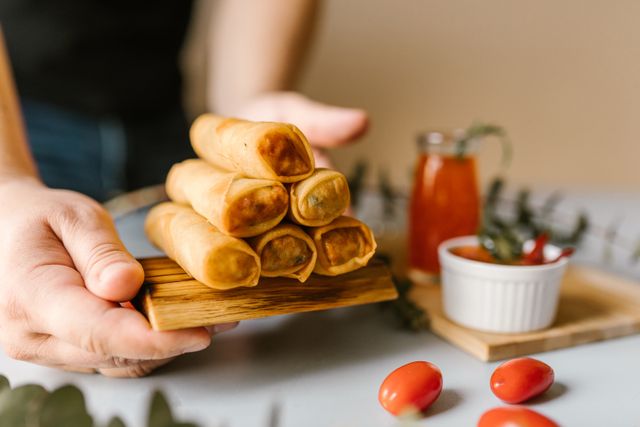
The traditional Filipino diet consists of rice, fish, vegetables, fruits and moderate amounts of meat. Meals are often prepared using simple cooking methods such as grilling, steaming, boiling and stewing.
A typical Filipino meal includes:
- Rice as the main staple food
- Fish, chicken, pork or seafood as the protein source
- Vegetables cooked in soups, stews or stir-fries
- Fresh fruit for snacks or dessert
- Local condiments such as vinegar, fish sauce and calamansi
Because the Philippines is a tropical country surrounded by water, many traditional dishes make use of fresh seafood, locally grown produce and indigenous ingredients.
The Role of Nutrition in Filipino Food
Nutrition has become an increasingly important focus in the Philippines. To help Filipinos maintain a balanced diet, nutrition experts developed a visual food guide known as Pinggang Pinoy.
Food Culture and Eating Habits in the Philippines
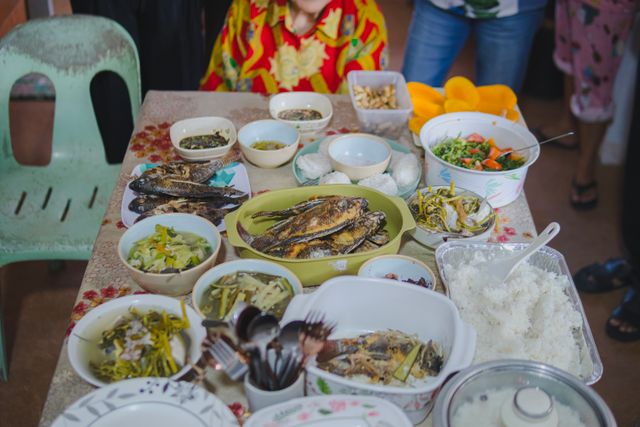
Food culture in the Philippines is deeply intertwined with family, community, and a spirit of togetherness. Meals are traditionally served family-style, with a variety of dishes placed at the center of the table for everyone to share, an arrangement that naturally encourages vibrant conversation, warmth, and hospitality.
This communal approach peaks during major celebrations and religious festivals, where large gatherings bond over grand spreads featuring roasted meats, noodle dishes, hearty rice meals, and traditional desserts. Beyond standard table dining, the famous *kamayan* tradition beautifully captures this cultural emphasis on connection; during these special feasts, an abundance of food is laid out directly onto banana leaves and eaten entirely by hand. Ultimately, sharing food in the Philippines is far more than just a daily routine—it is a vital expression of generosity, community, and love.
Is the Traditional Filipino Diet Healthy?
The traditional Filipino diet can support a healthy lifestyle when meals include balanced portions of rice, protein, vegetables and fruits.
Many traditional dishes naturally contain:
- Fibre from vegetables
- Protein from fish and seafood
- Vitamins and minerals from tropical fruits
- Healthy nutrients from locally grown produce
However, as with any diet, moderation is important. Choosing fresh ingredients, increasing vegetable intake and limiting highly processed foods can help maintain overall health.
Popular Filipino Dishes to Try
Sinigang
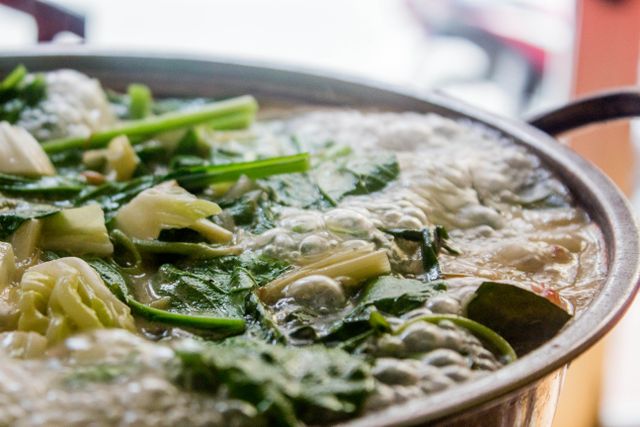
Sinigang is one of the most popular traditional dishes in the Philippines.
This sour soup is typically flavoured with tamarind and contains vegetables such as kangkong, radish, tomatoes and okra. Protein options may include fish, pork, shrimp or beef.
Because it contains vegetables, protein and broth, sinigang is often considered a nutritious and balanced meal.
Adobo
Adobo is perhaps the most internationally recognised Filipino dish.
Chicken or pork is slowly cooked in vinegar, soy sauce, garlic and black pepper. The result is a rich and flavourful dish that pairs perfectly with rice.
Every region and family may have its own version of adobo, making it one of the most versatile dishes in Filipino cuisine.
Kinilaw
Kinilaw is often compared to ceviche.
Fresh fish or seafood is marinated in vinegar, calamansi and spices rather than cooked over heat. This traditional preparation method has existed in the Philippines for centuries.
Pinakbet
Pinakbet is a vegetable-based dish originating from northern Philippines.
It typically contains:
- Bitter melon
- Eggplant
- Squash
- Okra
- Yard-long beans
The vegetables are cooked with shrimp paste, creating a savoury and distinctive flavour.
Tortang Talong
Tortang talong is a simple yet popular Filipino dish made from grilled eggplant coated in beaten eggs and fried.
It is commonly served for breakfast or lunch and may be accompanied by rice and fresh tomatoes.
Why Filipino Food Remains Important Today
Traditional Filipino food continues to be an important part of cultural identity in the Philippines. Beyond providing nutrition, meals connect people to family traditions, local ingredients and regional heritage.
Whether enjoying a bowl of sinigang, sharing a family meal or preparing a traditional breakfast, Filipino food reflects the country’s history, values and sense of community. For visitors and residents alike, exploring the traditional Filipino diet offers a deeper understanding of everyday life in the Philippines.
Frequently Asked Questions About the Traditional Filipino Diet
What is the main staple food in the traditional Filipino diet?
Rice is the primary staple food in the Philippines and is served with most meals, including breakfast, lunch and dinner.
Is sinigang considered a healthy Filipino dish?
Yes. Sinigang often contains vegetables, protein and broth, making it one of the more balanced and nutritious traditional Filipino cuisine. It doesn’t contain many sugar and fat.
What do Filipinos usually eat for breakfast?
A traditional Filipino breakfast commonly includes garlic rice, eggs and a protein such as beef tapa, longganisa sausage or milkfish, often served with fresh fruit.