The Philippines is one of Southeast Asia’s most fascinating destinations, consisting of more than 7,600 islands spread across three major island groups: Luzon, Visayas, and Mindanao. From the bustling streets of Metro Manila to the tropical islands of Palawan and Cebu, travellers have countless opportunities to explore the country’s diverse landscapes, cultures, and attractions.
However, travelling around the Philippines can feel overwhelming for first-time visitors. Unlike some neighbouring countries with extensive railway networks, transportation in the Philippines relies on a combination of buses, jeepneys, trains, ferries, domestic flights, and ride-hailing services. Understanding how these systems work can make travelling significantly easier, whether you are visiting for a few weeks or relocating as an expat.
This guide covers the most common forms of transportation used by both locals and foreigners, including practical tips for navigating major cities and travelling between islands.
Understanding Transportation in the Philippines
Because the Philippines is an archipelago, there is no single public transport system connecting the entire country. Travellers often combine several modes of transport during a single trip.
For example, a tourist flying into Manila may take the MRT to a shopping district, ride a jeepney to a local neighbourhood, catch a bus to Batangas, and then board a ferry to an island destination. This combination of transport options is part of everyday life in the Philippines.
Major urban centres such as Manila, Cebu, and Davao offer extensive public transportation networks, while smaller towns rely heavily on local vehicles such as tricycles and jeepneys.
The key to travelling efficiently is understanding which transportation method is most suitable for different situations.
Jeepneys: The Most Iconic Form of Transport in the Philippines

When people think about transportation in the Philippines, jeepneys are usually the first vehicles that come to mind.
Originally adapted from military jeeps left behind after World War II, jeepneys have evolved into a uniquely Filipino mode of transport. Today, they are known for their colourful decorations, chrome details, religious slogans, and artistic designs.
Jeepneys operate on fixed routes and serve as one of the most affordable transportation options in the country.
Why Jeepneys Are Popular
Jeepneys remain a vital part of daily life because they are inexpensive and widely available. They can be found in large cities, provincial towns, and even some rural areas.
Many tourists choose to ride a jeepney at least once because it offers a genuine glimpse into local life.
How to Ride a Jeepney
For foreigners unfamiliar with the system, riding a jeepney may initially seem confusing.
Passengers typically board from the rear entrance and sit on long benches facing each other. Fares are paid directly to the driver, often by passing money through other passengers.
To get off, passengers usually say “Para po,” which politely signals the driver to stop.
Challenges for Tourists
Although jeepneys provide an authentic experience, route information is not always easy to understand. Destination signs are displayed on the vehicle, but they may not be immediately clear to visitors unfamiliar with local geography.
For this reason, many newcomers rely on Google Maps or ask locals for guidance when using jeepneys for the first time.
Manila MRT and LRT: The Fastest Way to Travel Across Metro Manila
Lihat postingan ini di Instagram
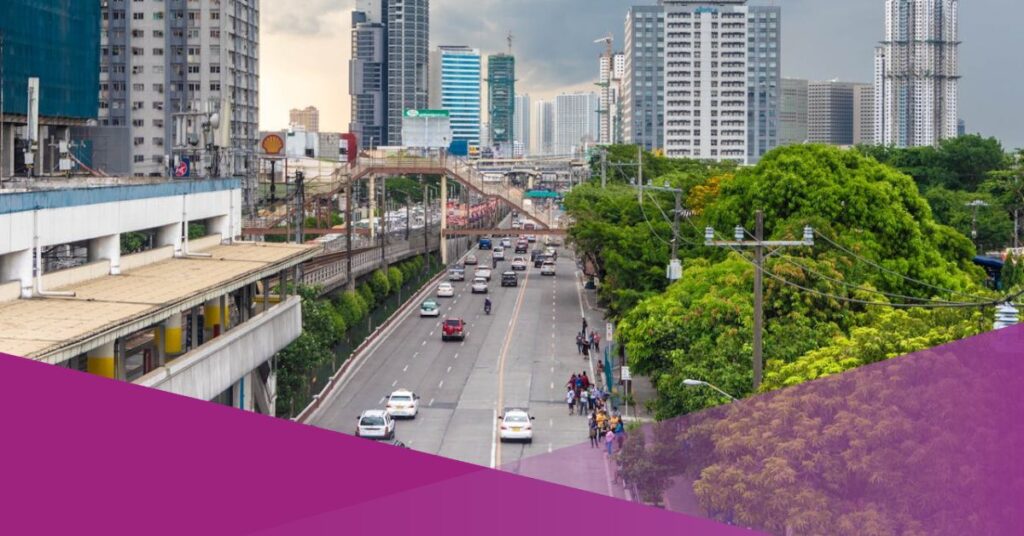
Traffic congestion is one of the biggest challenges in Metro Manila. During peak hours, road journeys that would normally take 20 minutes can sometimes last over an hour. For this reason, many commuters prefer using the city’s rail networks.
The Philippines has four railway lines: Manila Light Rail Transit System Line 1 (LRT Line 1), LRT Line 2, MRT Line 3, and the PNR Metro Commuter Line operated by the Philippine National Railways.
Metro Rail Transit (MRT)
The MRT serves key commercial and business districts, including:
- Makati
- Mandaluyong
- Pasay
- Quezon City
It is particularly popular among office workers because it provides a relatively fast alternative to road traffic.
Light Rail Transit (LRT)
The LRT system complements the MRT and connects numerous residential and commercial areas throughout Metro Manila.
Together, the MRT and LRT networks help millions of passengers travel around the capital every year.
Advantages for Expats and Tourists
Using the train system offers several benefits:
- Lower transportation costs
- Faster travel times during rush hour
- Air-conditioned carriages
- Easy access to shopping centres and business districts
Many expats living in Manila use trains for daily commuting, particularly when working in central business areas.
Beep Card
Frequent passengers should consider purchasing a Beep Card.
This rechargeable smart card can be used across MRT and LRT lines, eliminating the need to buy individual tickets for every journey.
Buses: Connecting Cities and Provinces

Buses play an essential role in the Philippine transportation network.
They are used for both urban commuting and long-distance travel between cities and provinces.
City Buses
Within Metro Manila, buses serve major roads and transportation corridors. They are often used to complement train services and provide access to areas not covered by rail lines.
Many modern buses now feature air conditioning and designated loading stations.
Provincial Buses
Provincial buses connect major destinations across Luzon, Visayas, and Mindanao.
Popular routes include:
- Manila to Baguio
- Manila to Batangas
- Manila to Pampanga
- Cebu to neighbouring provinces
- Davao to the surrounding regions
For budget-conscious travellers, buses are often significantly cheaper than domestic flights.
Grab and Ride-Hailing Services
For many foreign visitors, Grab is the most convenient transportation option in the Philippines.
Available in major cities such as Manila, Cebu, and Davao, Grab allows users to book rides directly through a mobile application.
Why Tourists Prefer Grab
Grab offers several advantages:
- Transparent fares
- GPS tracking
- Cashless payment options
- English-language interface
- Greater convenience for first-time visitors
Many travellers use Grab when arriving at airports, travelling at night, or visiting unfamiliar neighbourhoods.
Safety Considerations
Because fares are displayed before booking, Grab helps eliminate misunderstandings regarding transportation costs. This feature makes it particularly attractive to international visitors unfamiliar with local pricing.
Taxis in the Philippines
Taxis remain widely available in major cities, especially in Metro Manila.
Although ride-hailing apps have become increasingly popular, traditional taxis continue to play an important role in urban transportation.
Tips for Taking Taxis
When using taxis, travellers should:
- Ensure the driver uses the meter
- Carry small cash denominations
- Avoid unofficial drivers approaching passengers at airports
- Check navigation routes using mobile maps
In many situations, Grab provides a more predictable experience, but taxis can still be useful when ride-hailing vehicles are unavailable.
Tricycles: The Last-Mile Transportation Solution

Outside major city centres, tricycles are among the most common forms of transportation. A tricycle typically consists of a motorcycle attached to a covered sidecar that can accommodate passengers.
Where You Will Find Tricycles
Tricycles are particularly common in:
- Small towns
- Residential neighbourhoods
- Beach destinations
- Rural communities
They are often used for short journeys between transport terminals, hotels, markets, and residential areas.
What Tourists Should Know
Unlike trains or buses, tricycle fares may vary depending on the distance travelled and location.
In some areas, fares are regulated, while in tourist destinations, prices may be negotiated. Confirming the fare before departure can help avoid misunderstandings.
Ferries: The Backbone of Inter-Island Travel
Because the Philippines consists of thousands of islands, ferries are an essential part of the country’s transportation network.
While domestic flights connect major destinations, ferries provide access to many islands that cannot be reached by air.
Popular Ferry Routes
Some of the most frequently used routes include:
- Batangas to Puerto Galera
- Cebu to Bohol
- Cebu to Negros
- Davao to Samal Island
- Manila to nearby island provinces
Types of Ferry Services
Travellers can choose from:
- Fast ferries
- Passenger ferries
- Roll-on roll-off (RORO) vessels
- Large overnight ships
Advantages of Ferry Travel
Ferries offer:
- Scenic sea views
- Affordable transportation
- Access to remote islands
- Opportunities to transport vehicles between islands
Island-hopping tourists often rely heavily on ferry services when exploring destinations throughout the archipelago.
Domestic Flights for Long-Distance Travel

Due to the country’s geography, domestic flights are often the quickest way to travel between major islands.
For example, flying from Manila to Cebu or Davao can save many hours compared to travelling by land and sea.
Major Domestic Destinations
Popular domestic routes include:
- Manila to Cebu
- Manila to Davao
- Manila to Puerto Princesa
- Manila to Caticlan (Boracay)
- Cebu to Siargao
For travellers with limited time, domestic flights are often the most efficient transportation option.
Transportation in Davao City
Davao City offers a transportation experience that differs considerably from Metro Manila.
As one of the largest cities in Mindanao, Davao provides a mix of traditional and modern transport options while generally experiencing less traffic congestion than the capital.
Common transportation options include:
- Jeepneys
- Taxis
- Grab
- Shuttle buses
- Tricycles
- Ferries to nearby islands
Many expats and visitors find Davao easier to navigate due to its more organised road network and comparatively lighter traffic conditions.
Essential Transportation Tips for Expats and Tourists
Download Useful Mobile Apps
Before travelling around the Philippines, consider installing:
- Google Maps
- Grab
- Local ferry booking platforms
- Airline applications
Carry Cash
Although digital payments are becoming more common, many smaller transportation providers still operate on a cash-only basis.
Plan Around Rush Hour
Traffic in major cities, particularly Metro Manila, can be extremely heavy during morning and evening commuting periods.
Allow extra travel time whenever possible.
Stay Aware of Your Belongings
As with any busy city, it is advisable to keep valuables secure when using crowded public transportation.
Learn Basic Local Phrases
Knowing simple phrases such as “Para po” when riding a jeepney can make travelling more comfortable and enjoyable.
Ninoy Aquino International Airport (NAIA) Guide for Tourists

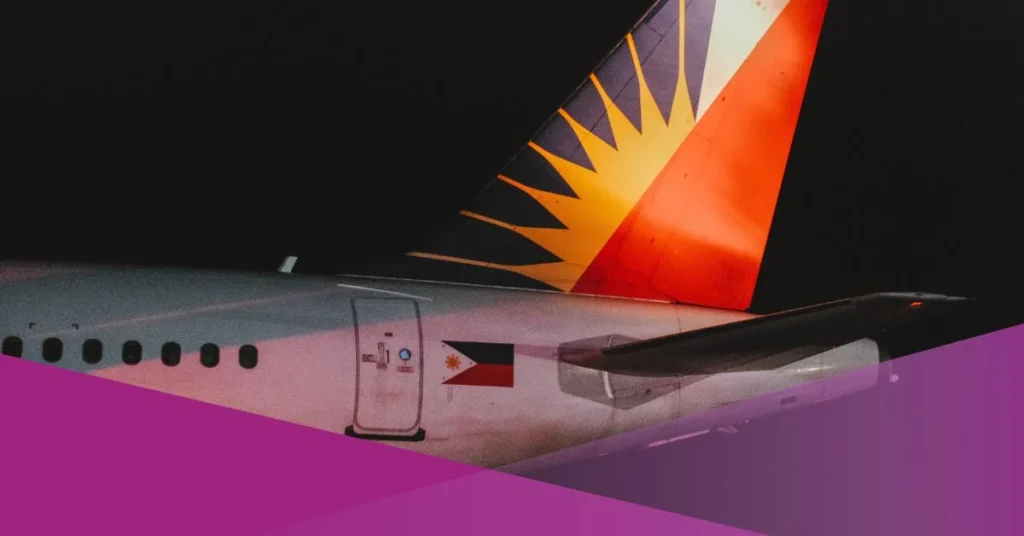
As the main international gateway to the Philippines, Ninoy Aquino International Airport (NAIA) can be challenging for first-time visitors due to its four separate terminals, heavy traffic conditions, and specific arrival procedures. Travellers are strongly advised to arrive at least three hours before international departures and carefully check their airline ticket to confirm the correct terminal, as transfers between terminals can take considerable time because of Manila’s unpredictable traffic.
NAIA is divided into four terminals, each serving different airlines. Terminal 1 handles most legacy international carriers, while Terminal 2 is primarily used by Philippine Airlines (PAL) for both domestic and international services. Terminal 3 is the airport’s largest terminal and serves major international and domestic airlines, including Emirates, Cathay Pacific, and Cebu Pacific. Meanwhile, Terminal 4 is the oldest and smallest terminal, catering exclusively to domestic flights operated by airlines such as AirAsia and Sunlight Air.
Before travelling to or from the Philippines, all passengers must complete the government’s eTravel registration online within 72 hours of their flight and save the generated QR code on their mobile device. Upon arrival, visitors will need to present their passport, return or onward ticket, and eTravel QR code at immigration. After clearing immigration, travellers can collect their luggage from the baggage claim area and proceed through customs screening.
For transportation from the airport, visitors should avoid unofficial taxi solicitors or aggressive touts inside the terminal. Instead, use the authorised Coupon Taxi service, which offers fixed fares, the official Metered Taxi counters, or book a ride through the Grab app, one of the most popular ride-hailing services in the Philippines. Taking these official transport options helps ensure a safer and more convenient journey into Manila and surrounding areas.
People Also Ask (PAA)
1. How do tourists get around in the Philippines?
Tourists can travel by jeepney, bus, taxi, ride-hailing apps, ferry, and domestic flights.
2. What is the most popular mode of transport in the Philippines?
The jeepney is the most popular and iconic form of public transport in the Philippines.
3. Is public transportation in the Philippines affordable?
Yes, public transportation in the Philippines is generally affordable, especially jeepneys and buses.
Photo by Mel Casipit/Pexels