For both tourists and expats planning a trip to the Philippines, understanding the local currency is one of the key things to do before setting off. As well as preparing your travel documents and accommodation, familiarising yourself with the Philippine currency can help you manage your budget more effectively whilst in the archipelago.
The Philippines is known as one of the most popular destinations in Southeast Asia. The country offers a combination of tropical beaches, modern cities, a thriving business hub, and a relatively competitive cost of living compared to some other countries in the region. Consequently, it attracts not only tourists every year but also many foreign workers and digital nomads who choose to stay for longer periods.
Before setting off on your journey, it is a good idea to understand how the Philippine peso is used in daily life, how to exchanged money, and the payment methods commonly used by the local population. Here are the currency guide for the Philippine Peso.
Understanding the Philippine Currency
The official currency of the Philippines is the Philippine Peso, with the currency code PHP. In everyday use, locals usually refer to it as the “peso” or use the symbol ₱. The history of the peso began during Spanish colonial rule in 1565. The introduction of Spanish coinage, specifically the “Real of 8” or Spanish dollar, became the standard.
The Philippine Peso is issued and regulated by the Bangko Sentral ng Pilipinas, or the Central Bank of the Philippines. This currency is legal tender throughout the country, from major cities such as Manila and Cebu to popular tourist destinations such as Boracay and Palawan.
In the currency system, one peso is divided into 100 centavos. However, in everyday practice, transactions involving centavos are becoming increasingly rare, particularly for general payments in shopping centres, restaurants and modern transport.
Philippines Banknotes and Coins

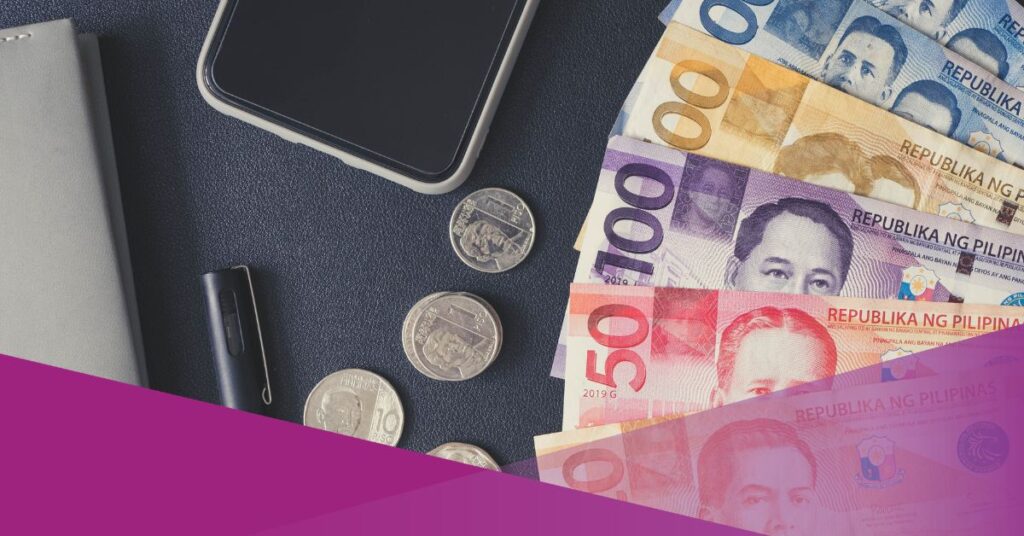
The Philippine peso is available in several denominations of banknotes, each designed in a different colour for easy recognition.
The banknotes commonly in circulation include 20 peso, 50 peso, 100 peso, 200 peso, 500 peso and 1,000 peso notes. Each note features national figures, cultural elements, and natural symbols that reflect the Filipino identity.
In addition to banknotes, there are also coins used for small transactions. Commonly found coins include 1 peso, 5 peso, 10 peso, and 20 peso. Some centavo coins are still in circulation, although their use is becoming increasingly limited.
For foreign tourists, recognising the colours and sizes of each denomination will make transactions easier, particularly when using public transport, buying street food, or shopping at traditional markets.
Exchange Rates of the Philippine Peso Against Foreign Currencies
The exchange rate of the Philippine peso fluctuates in line with global market conditions. Consequently, the rate applicable today may differ a few days or weeks later.
For international travellers, the peso’s exchange rate against the rupiah is one of the pieces of information most frequently sought before travelling. The peso is also widely traded against the US dollar, the euro, the pound sterling, the Singapore dollar, and various other international currencies.
In practice, most foreign tourists usually carry US dollars as a backup currency, as they are easier to exchange at various money changers and banks in the Philippines.
Before you set off, it is advisable to check the latest exchange rates via a bank, a digital banking app, or a reliable currency conversion platform. By knowing the current exchange rate, you can estimate your travel costs more accurately and avoid miscalculating your budget.
Is it better to exchange money before departure or upon arrival?
This question often arises among first-time visitors to the Philippines.
Generally, exchanging some money before departure can be a practical step. You will have cash on hand for initial needs such as transport from the airport, food, or purchasing a local SIM card.
However, many experienced travellers choose to bring a more widely accepted currency, such as US dollars, and then exchange it in the Philippines. In major cities like Manila and Cebu, there are plenty of money changers offering competitive rates.
Nevertheless, it is important to compare several exchange outlets before making a large transaction. A seemingly small difference in exchange rates can result in a significant difference in value, particularly for long-term travellers.
Places to Exchange Money in the Philippines

International airports
Available immediately upon arrival, making them very convenient for travellers.
However, the exchange rates offered are usually less favourable than at other exchange points.
Local banks
A safe option for official transactions.
Some banks accept foreign currency exchange on condition that you present a valid passport or ID.
Independent money changers
Commonly found in shopping centres, business districts and tourist destinations.
Often chosen by tourists because the process is quick and they offer more competitive exchange rates.
Tips for Exchanging Money
- Recount the amount of money received before leaving the counter.
- Keep the transaction receipt for verification purposes or should it be required at a later date.
- Compare exchange rates at several places to get a better deal.
Cash Remains Essential
Although digital payments are growing rapidly, cash still plays a vital role in everyday life in the Philippines.
In large shopping centres, international hotels, modern restaurants and business districts, cashless payments are generally available. However, the situation may be different when you are in traditional markets, small shops, local eateries or more remote areas.
Therefore, tourists and expatriates are advised to always carry some small denomination cash. This will facilitate transactions and reduce the risk of payment difficulties when electronic systems are unavailable.
Keeping a few 20-peso, 50-peso and 100-peso notes is often very helpful for daily needs such as public transport or buying snacks.
Credit and Debit Cards in the Philippines

The use of credit cards is becoming increasingly widespread in major cities across the Philippines. Most hotels, shopping centres, chain restaurants and modern shops accept payments using international cards.
For expatriates or foreign workers staying for an extended period, international debit cards can also be a practical solution for accessing funds from overseas accounts.
However, not all establishments accept card payments. Some small businesses even only accept cash. Therefore, relying on cards as the sole payment method is not an ideal choice.
It is also worth noting that some merchants may charge additional fees for card transactions. Before making a payment, it is a good idea to ask first whether there are any surcharges or additional administrative fees.
Things to Watch Out for When Exchanging and Using Philippine Money
As in many other countries, travellers should exercise caution when carrying out financial transactions.
Use official, reputable money-changing services. Avoid exchange offers from strangers, even if they appear to offer a better rate.
When using an ATM, choose machines located in secure areas such as shopping centres, banks, or airports. Check the condition of the machine before inserting your card and ensure no suspicious devices are attached.
If carrying large amounts of cash, avoid displaying it in public places. This simple habit can help reduce the risk of crime targeting tourists.
Understanding Philippine Money: Notes and Coins, Monetary System, and Payment Methods
The Philippine monetary system is based on the Philippine peso (PHP), which serves as the country’s official medium of exchange. Both notes and coins are circulated widely throughout the country and are accepted in daily transactions, from local markets to major shopping centres.
Travellers bringing money to the Philippines can exchange foreign currencies at banks, authorised money changers, and airports, although exchange rates may vary by location. In major cities and tourist areas, cashless payments are increasingly common, and international cards such as Mastercard are widely accepted at hotels, restaurants, shopping malls, and other established businesses.
However, carrying some cash remains advisable, especially when visiting smaller towns, local markets, or remote destinations where card payment facilities may be limited.
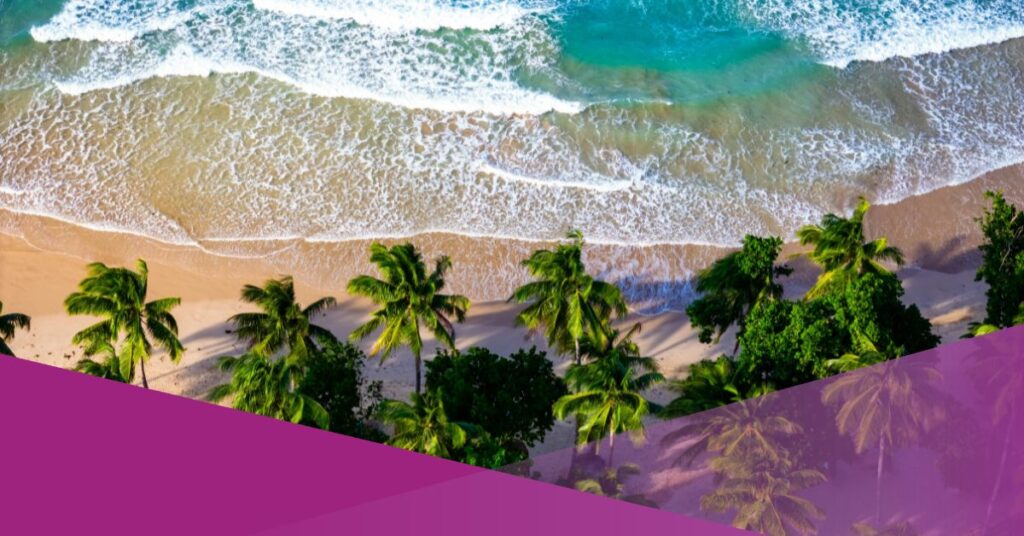
Cover: Photo by Angie Reyes from Pexels