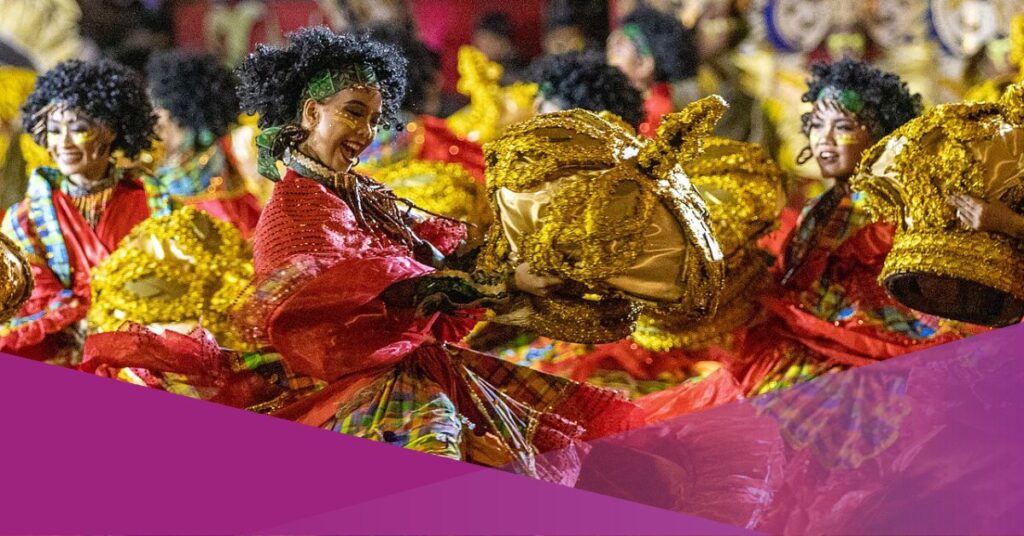
The Philippines is a nation that celebrates with remarkable enthusiasm. Across more than 7,000 islands, communities honour patron saints, harvest seasons, historical milestones, and cultural traditions through festivals that transform entire cities into open-air theatres. Some festivals in the Philippines are deeply religious, while others are rooted in indigenous traditions. Many blend both, creating celebrations that feel uniquely Filipino.
From colourful street performances featuring hundreds of dancers to centuries-old religious festivals attended by millions of devotees, every festivity reflects the rich cultural identity and resilience of Filipinos.
More than just celebrations, each Festival showcases a unique story of heritage, faith, community, and creativity. These events also offer tourism appeal to international visitors, providing an authentic glimpse into the heart of the Philippines.
If you’re planning a trip in 2026, timing your visit around one of these festivals can offer a deeper understanding of local life than any guidebook ever could, while letting you experience some of the country’s most memorable cultural traditions firsthand.
14 of the most unforgettable festivals in the Philippines
1. Ati-Atihan Festival
Kalibo, Aklan | January
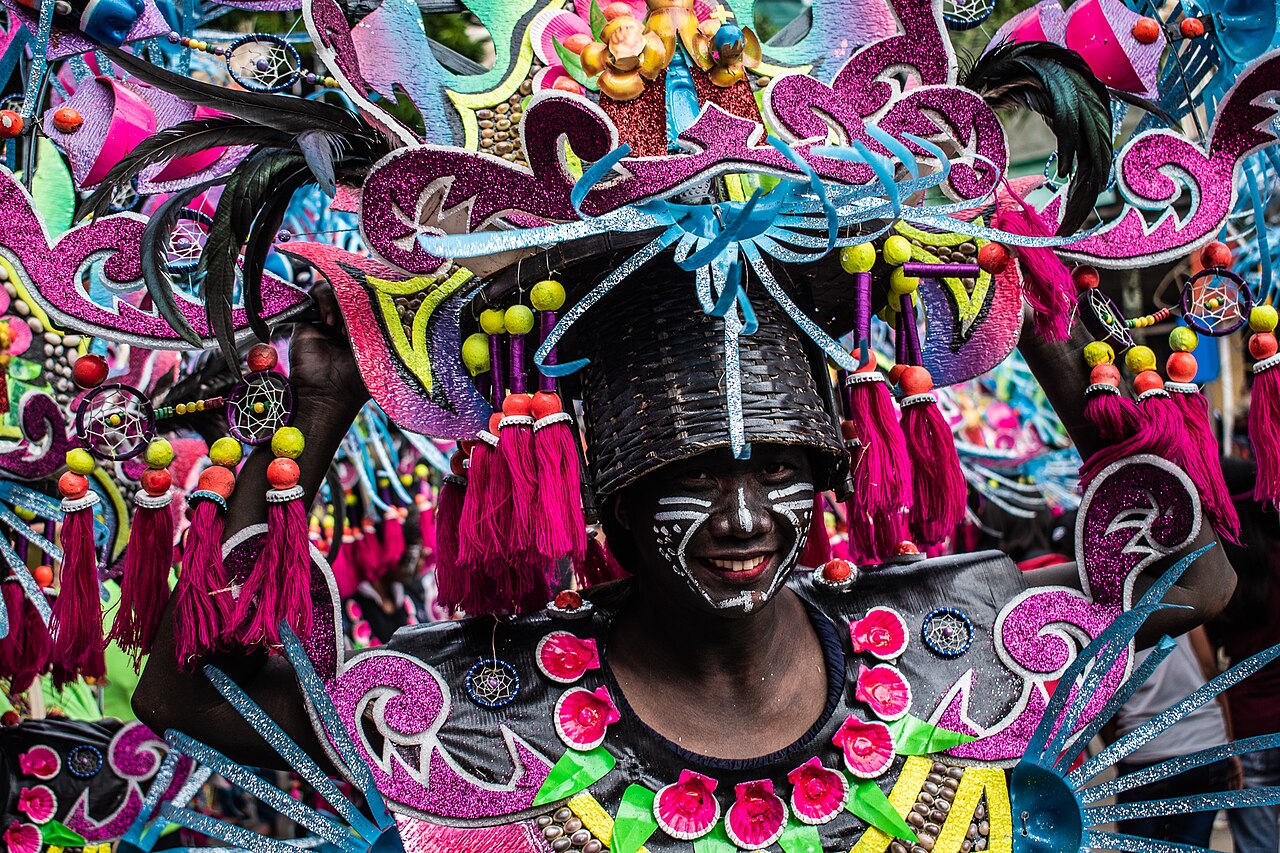
Often called the “Mother of All Philippine Festivals,” Ati-Atihan is among the country’s oldest celebrations and is held in honor of Santo Niño.
Participants paint their faces black, wear indigenous-inspired costumes, and dance through the streets to booming drumbeats. The festival traces its roots to the island’s early encounters with indigenous people, creating a unique blend of history, faith, and celebration.
The atmosphere is part religious pilgrimage, part Mardi Gras, and entirely unforgettable.
Why go?
- Tribal street dancing
- Live drum performances
- One of the oldest festivals in Southeast Asia
2. Sinulog Festival
Cebu City | January
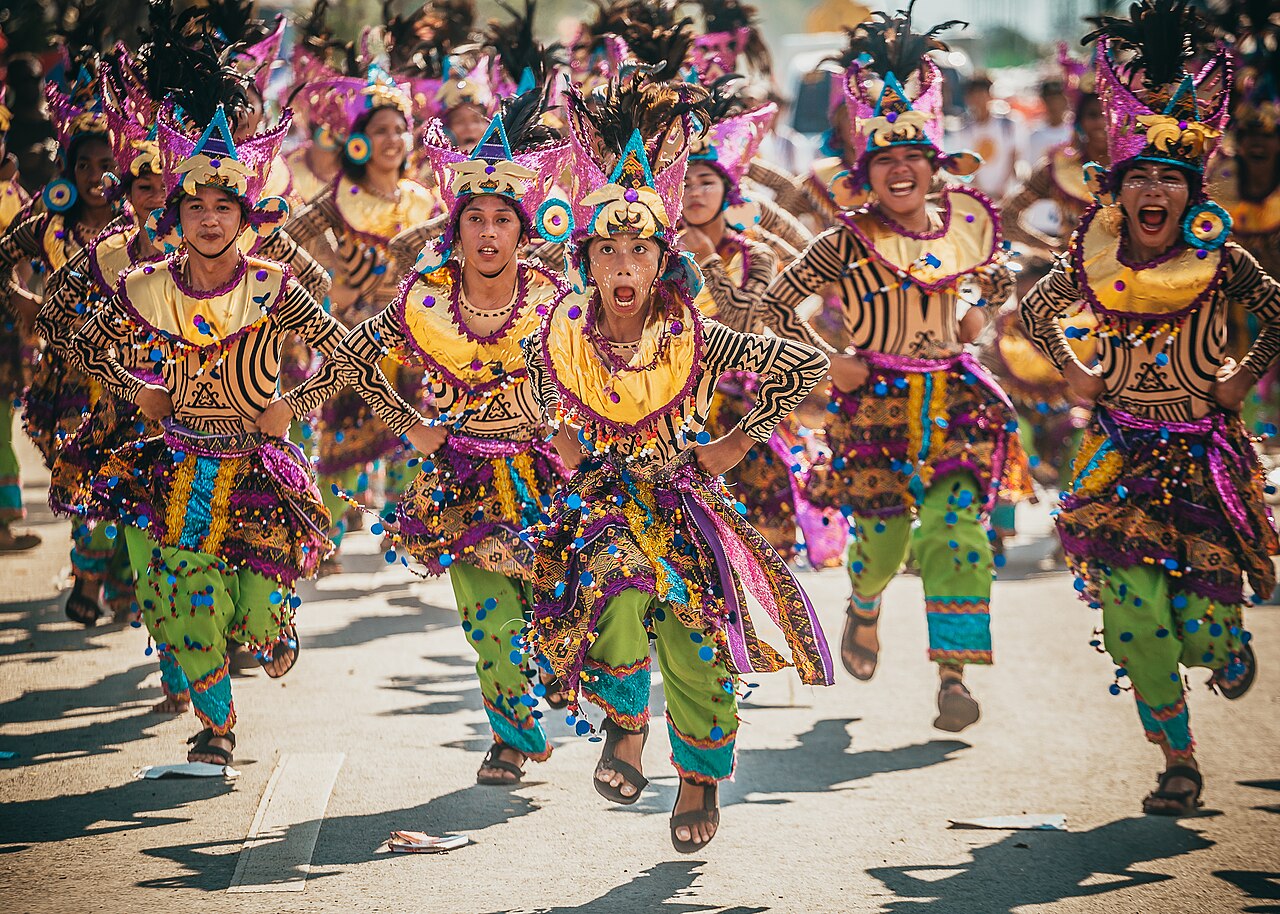
Held every Sunday of January, millions gather in Cebu to witness elaborate street performances, colourful costumes, and the famous two-step Sinulog dance that mimics the movement of flowing water. The celebration honours Santo Niño and stands among the country’s largest religious festivals.
The city becomes one giant celebration where faith, music, and culture meet.
Don’t miss: The Grand Parade.
3. Dinagyang Festival
Iloilo City | January
View this post on Instagram
Imagine a city-wide dance battle fuelled by drums, costumes, and extraordinary energy.
That’s Dinagyang. Different groups compete through highly choreographed performances that transform Iloilo into one of the most vibrant destinations in the country. The festival features dynamic street dancing competitions inspired by the traditions of the Ati people.
Best for:
- Photography
- Cultural immersion
- Festival enthusiasts
4. Feast of the Black Nazarene
Manila | January 9
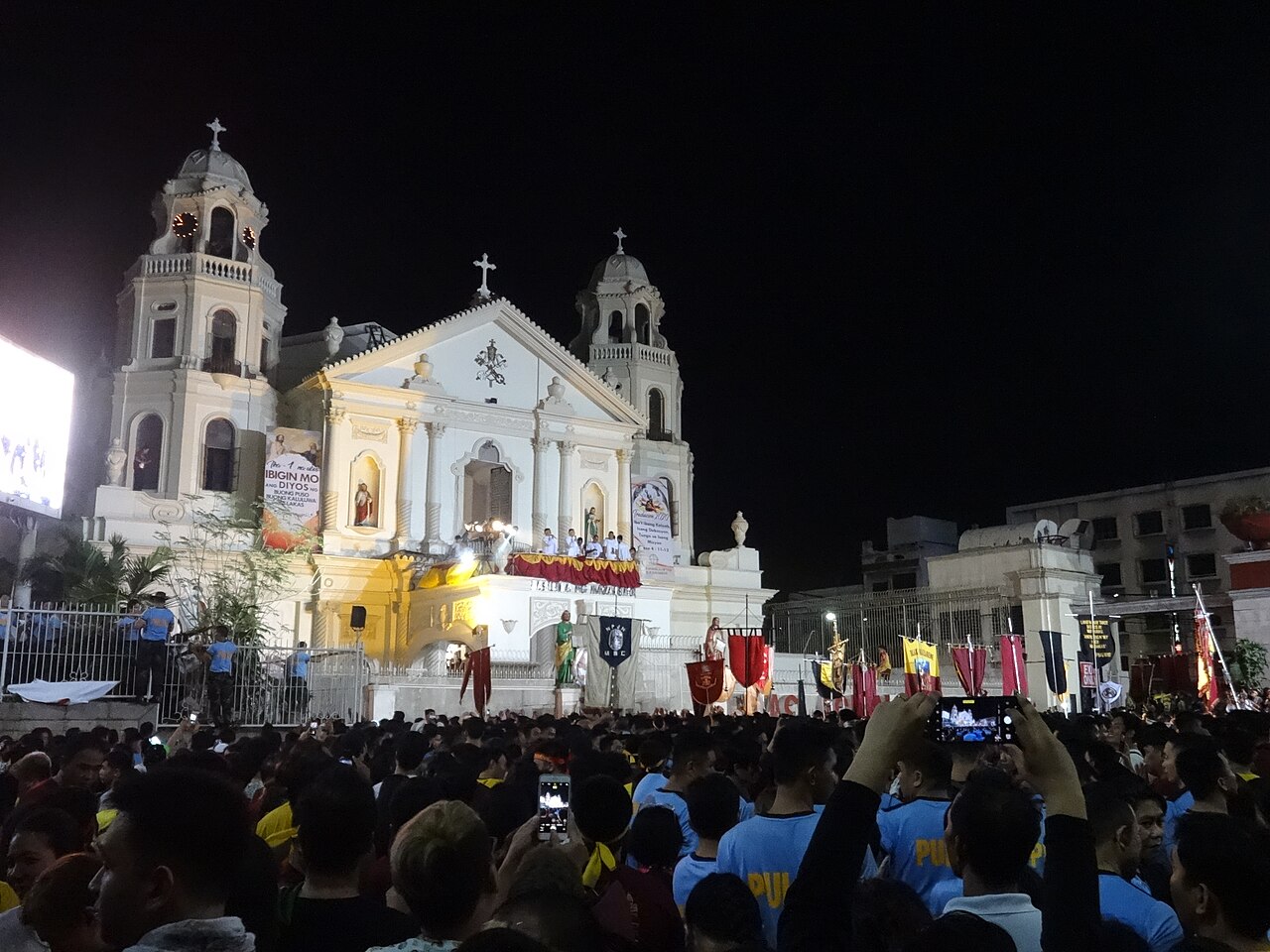
Unlike most festivals, this is less about entertainment and more about devotion.
Millions of worshippers gather in Manila for the Traslación, one of Asia’s largest religious processions.
The event centres around a centuries-old statue of the Black Nazarene and remains one of the most powerful displays of faith in the Philippines.
Atmosphere: Intense, emotional, historic.
5. Panagbenga Festival
Baguio City | February
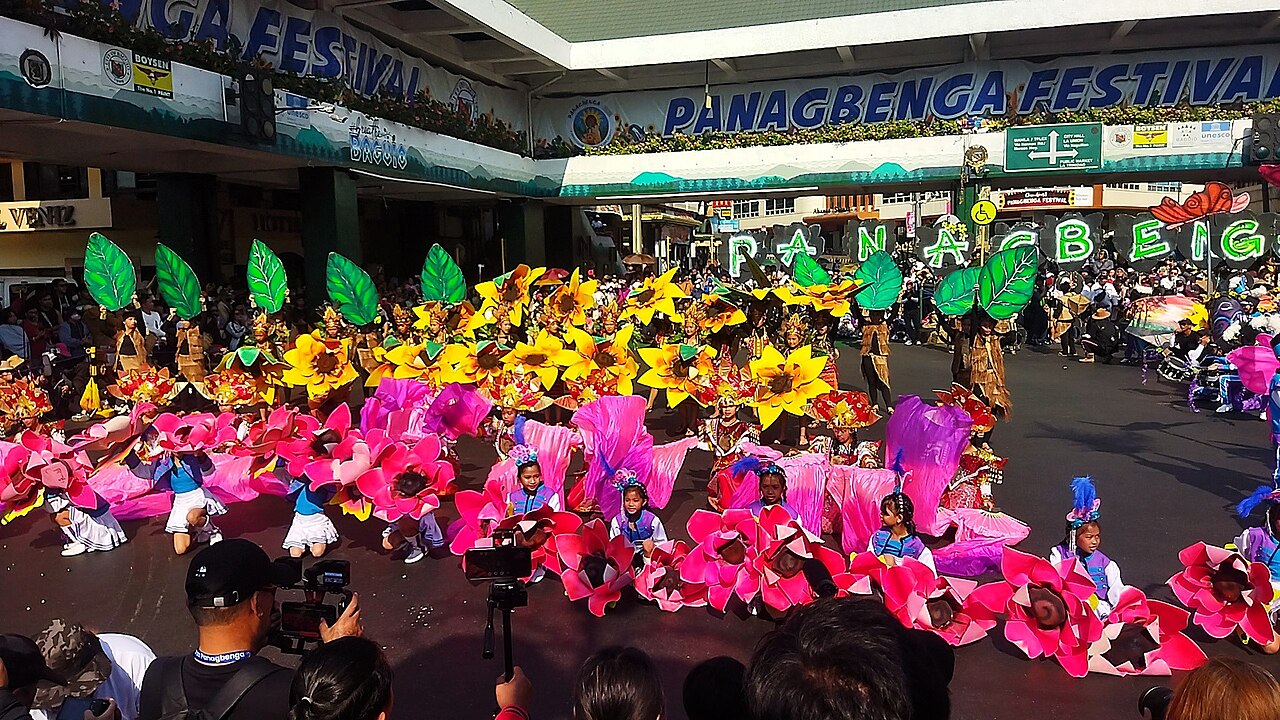
Known as the Flower Festival, Panagbenga transforms Baguio into a city of blooms.
Inspired by recovery after the 1990 Luzon earthquake, the celebration has evolved into a month-long showcase of floral floats, cultural performances, and community spirit.
The cooler mountain climate makes it one of the country’s most pleasant festivals to attend.
Highlight: The Grand Float Parade.
6. Philippine International Hot Air Balloon Fiesta
Clark, Pampanga | February
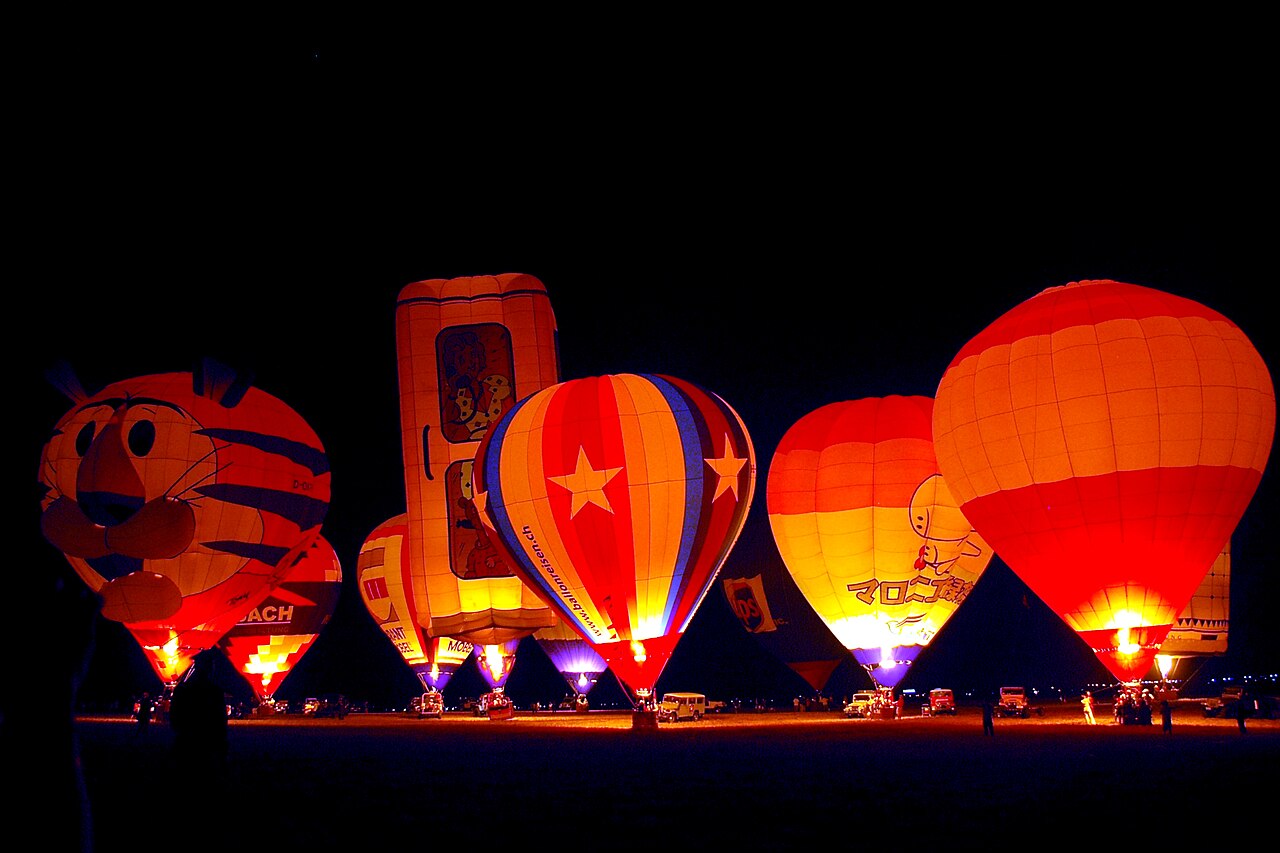
One of the most visually spectacular events in the country.
For four days, colourful hot air balloons fill the skies above Pampanga while visitors enjoy aviation displays, skydiving demonstrations, paragliding, live entertainment, and a large trade fair featuring local businesses and tourism exhibitors. It feels more like a global travel festival than a traditional local celebration.
Perfect for families and photographers.
7. Bamboo Organ Festival
Las Piñas | February
View this post on Instagram
Smaller and quieter than most entries on this list, yet equally fascinating.
Held around the world-famous Bamboo Organ, this festival attracts musicians and organ enthusiasts from across the globe. The result is a rare blend of music, heritage, and culture.
Unique fact: The Bamboo Organ is the only one of its kind in the world.
8. Moriones Festival
Marinduque | Holy Week
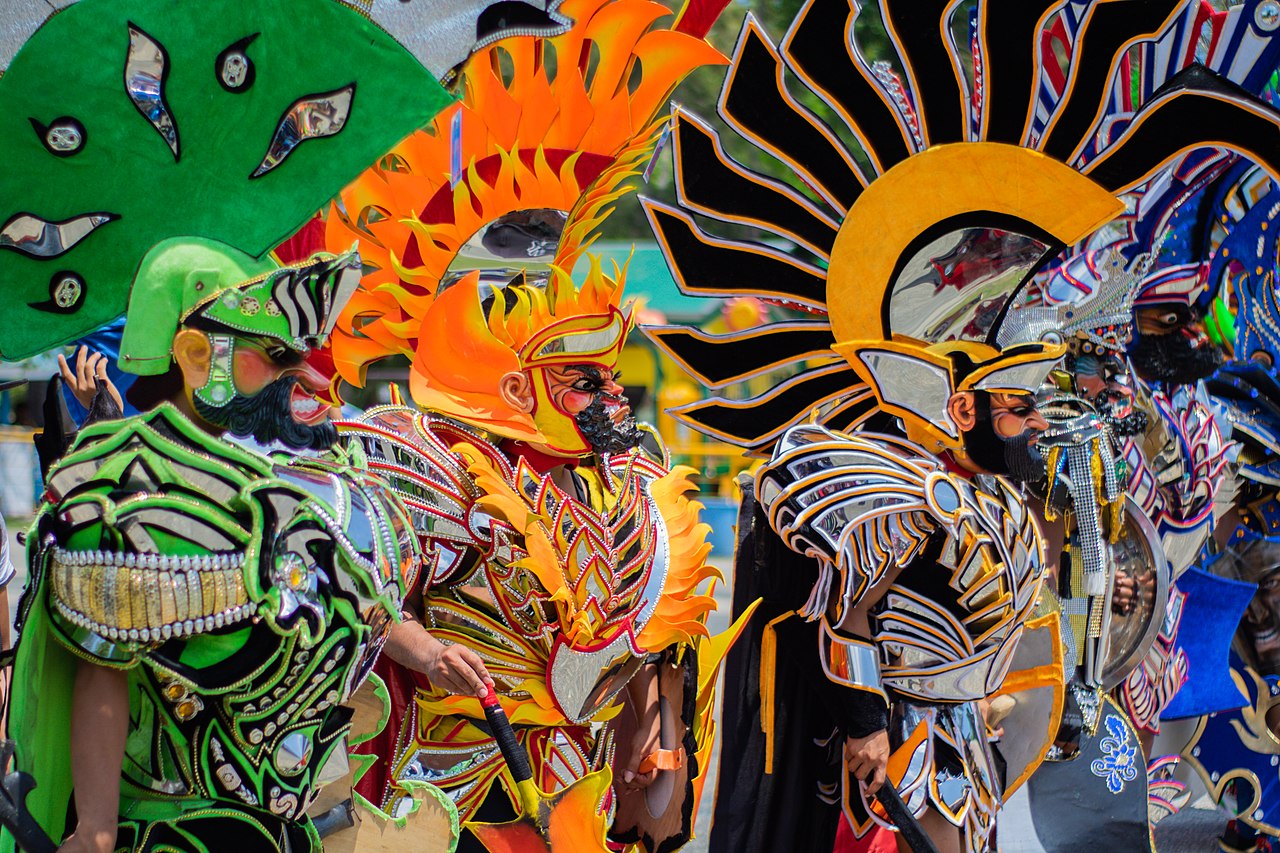
If medieval theatre met religious tradition, it might look something like Moriones.
Locals wear Roman soldier masks and costumes while re-enacting the story of Longinus, the soldier who witnessed the crucifixion of Christ.
The entire island becomes a stage for one of the Philippines’ most distinctive Holy Week celebrations.
Best for: History lovers and cultural travellers.
9. Aliwan Fiesta
Pasay City | April
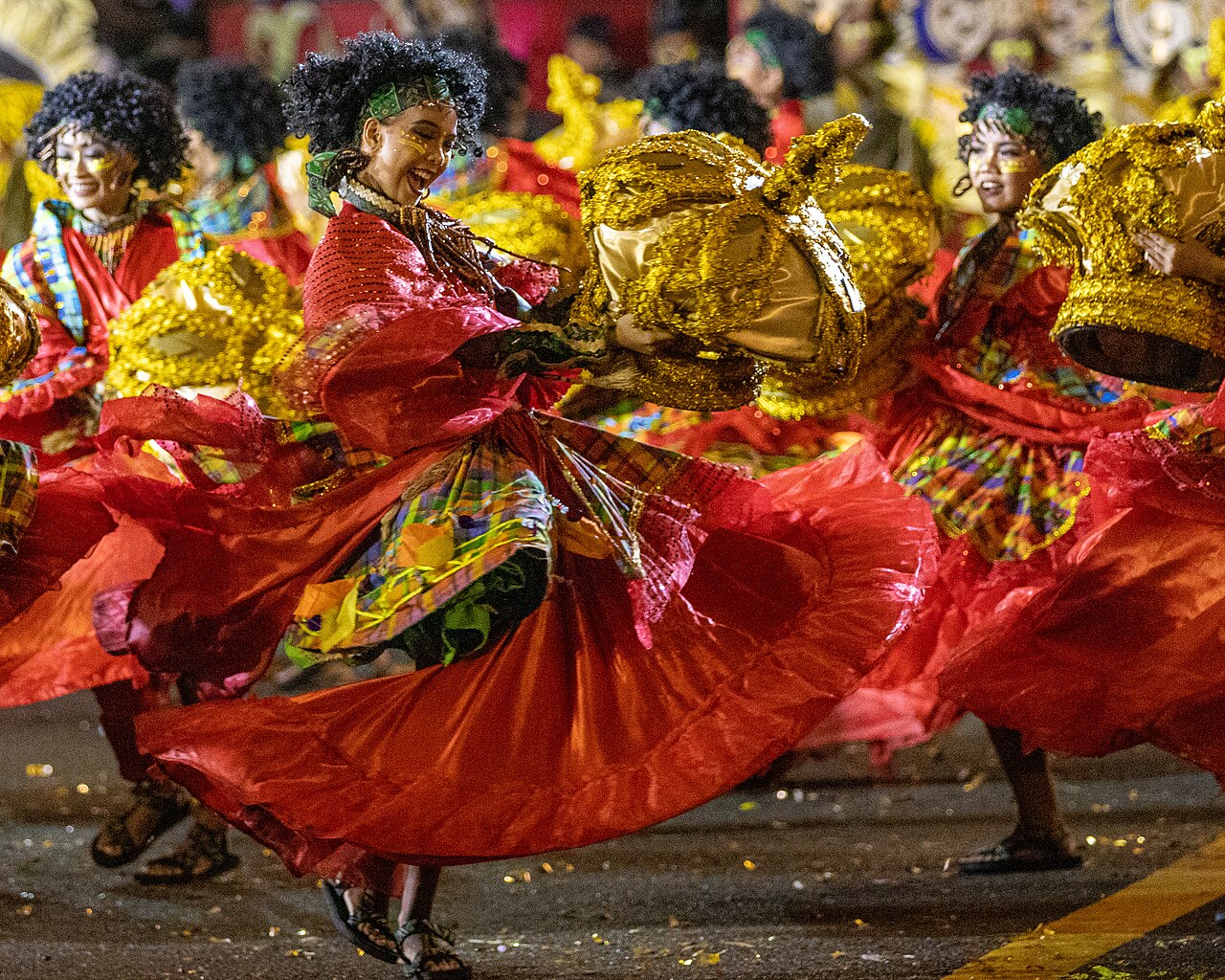
Aliwan gathers performers from different parts of the country and places them in a single grand competition. Alongside cultural performances, visitors can enjoy a national trade fair and a popular beauty pageant showcasing representatives from various regions.
Why attend?
You get a taste of multiple festivals without travelling across the archipelago.
10. Pahiyas Festival
Lucban, Quezon | May
Pahiyas may be the most visually charming festival in the country.
Homes are decorated with fruits, vegetables, rice wafers known as kiping, and agricultural products in honour of a successful harvest. The festival is also held in honor of San Isidro, the patron saint of farmers.
Most Instagrammable festival in the Philippines? Quite possibly.
11. Pintados Festival
Tacloban | June
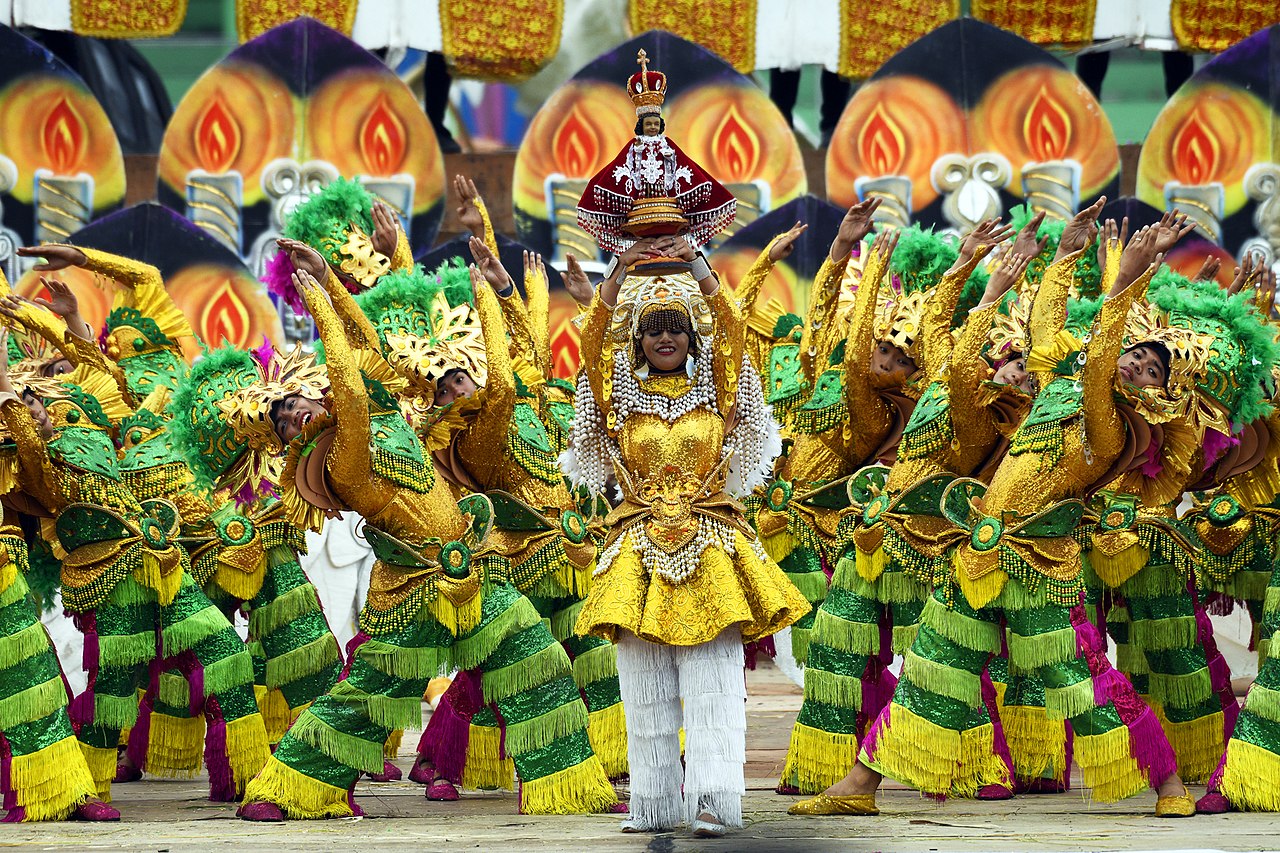
Named after the tattooed warriors of ancient Leyte, Pintados celebrates local history and devotion to Santo Niño. A month-long festival showcasing the region’s arts and culture, crafts, and agro-industrial products from bountiful harvests of the different provinces and cities of the region.
Expect body paint, elaborate costumes, and energetic cultural performances throughout the city.
It’s a striking reminder of the Philippines’ pre-colonial heritage.
12. Kadayawan Festival
Davao City | August
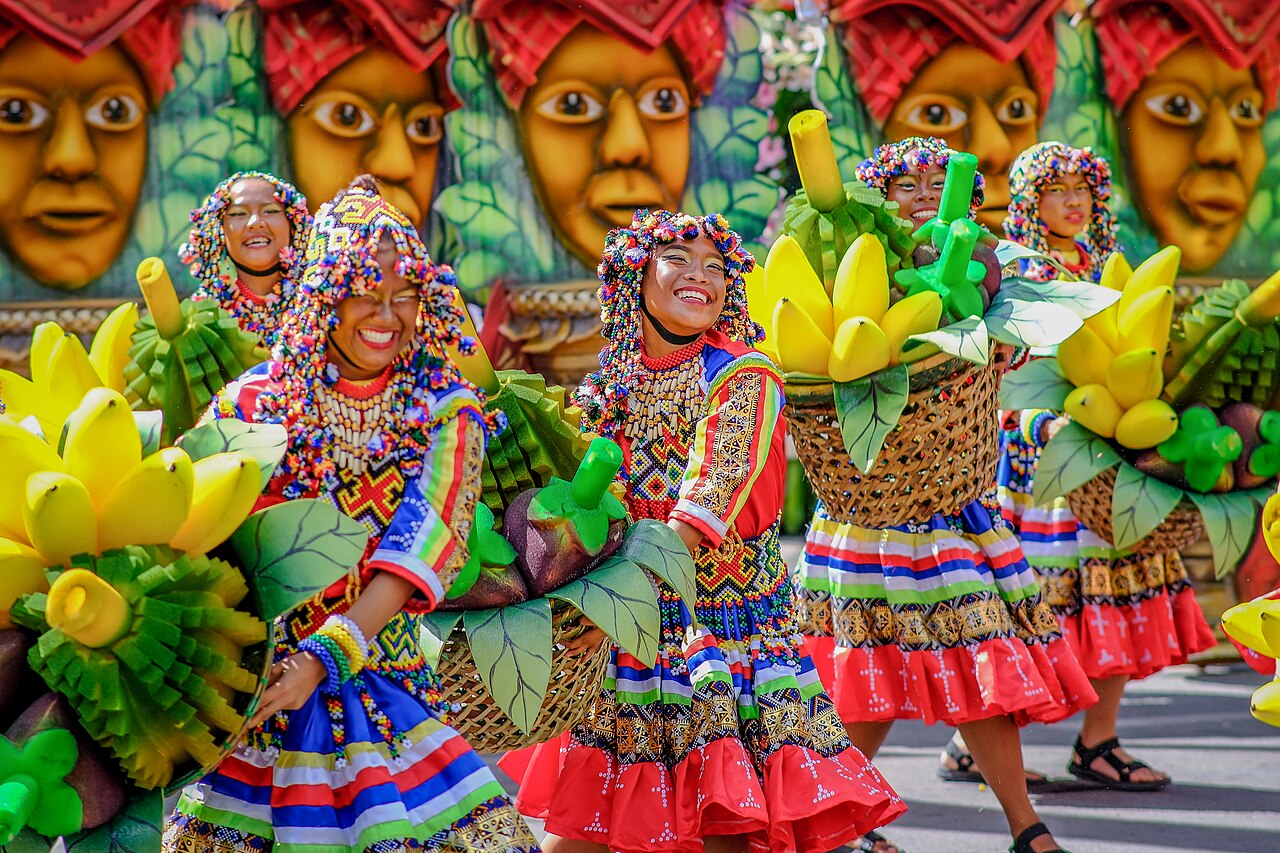
Kadayawan celebrates gratitude.
Rooted in indigenous traditions, the festival honours the region’s harvest, natural abundance, and cultural diversity.
Colourful floral floats, traditional dances, fruit markets, and tribal performances fill the streets.
A celebration of Mindanao at its finest.
13. MassKara Festival
Bacolod City | October
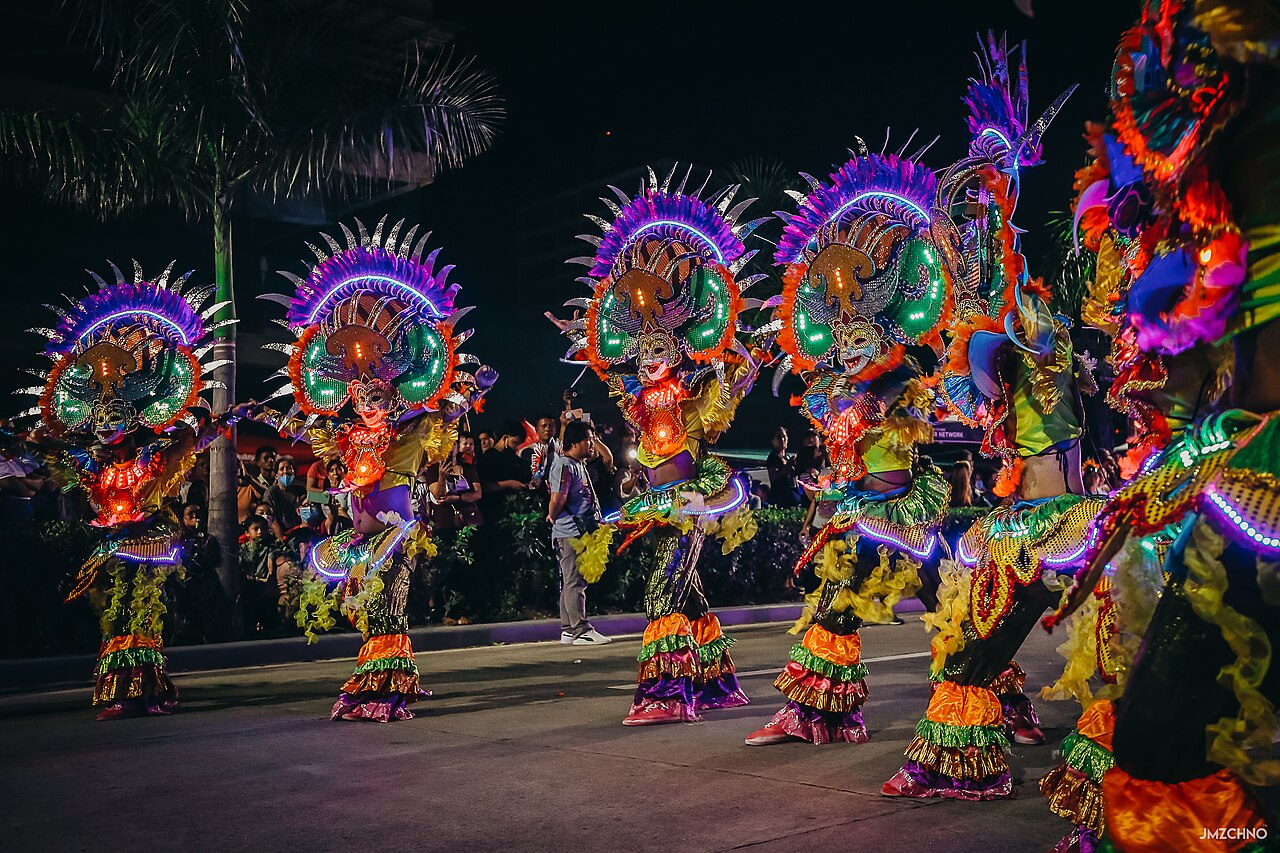
Known as the Festival of Smiles, MassKara emerged during a difficult period in Bacolod’s history as a symbol of resilience.
Today, smiling masks, vibrant costumes, and non-stop street parties define the celebration.
It’s one of the happiest festivals you’ll ever attend. Best for nightlife and social travellers.
14. Giant Lantern Festival
San Fernando, Pampanga | December
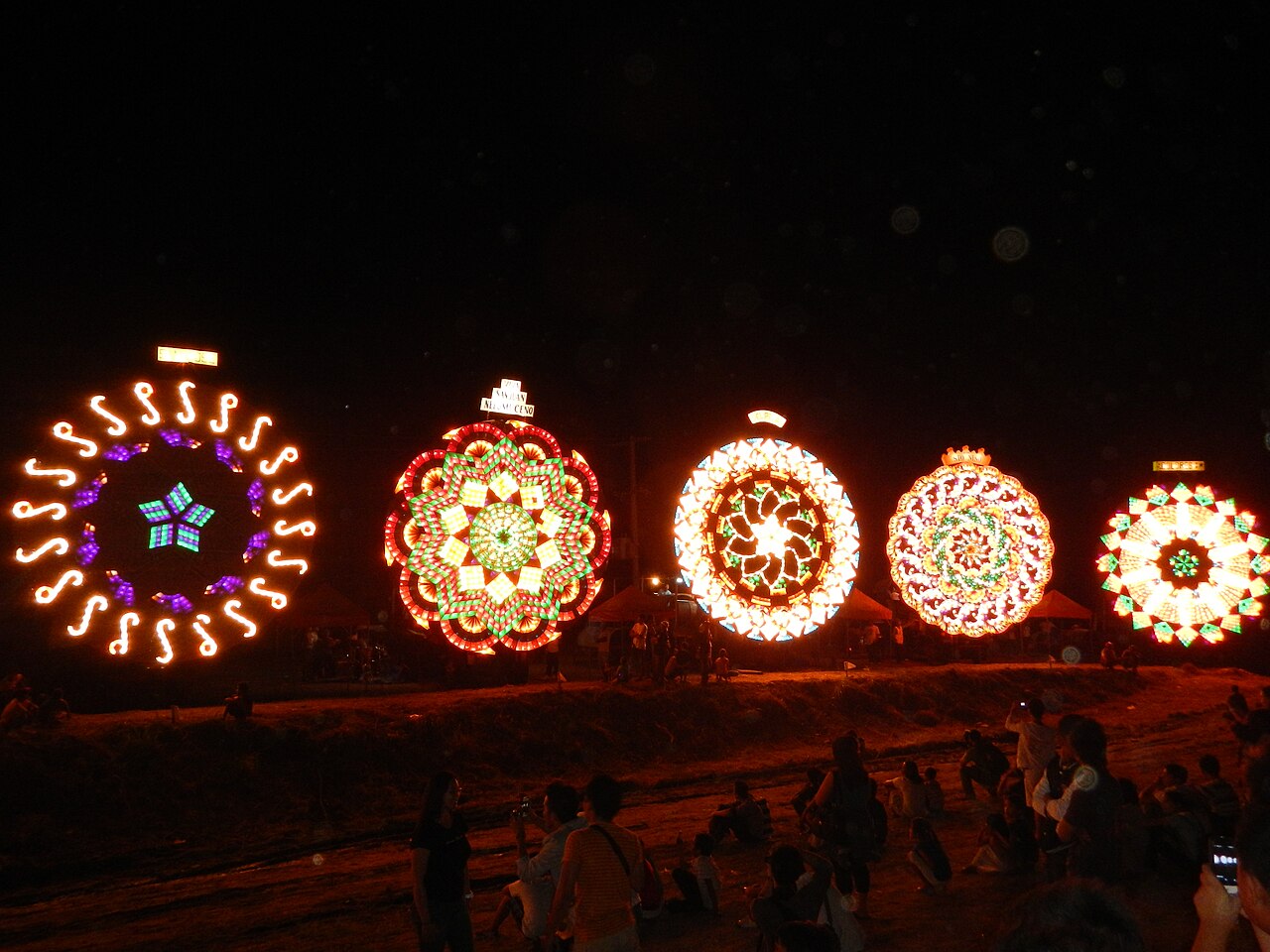
Every Christmas season, San Fernando earns its title as the Christmas Capital of the Philippines.
Gigantic lanterns illuminated with thousands of lights compete in a dazzling display of craftsmanship and creativity.
Markets, food stalls, concerts, holiday events, and community gatherings fill the city throughout December. The celebration also includes tributes to the Virgin Mary, Christmas processions, and family-centred festivities that bring together communities from across Bulacan, Pampanga, and neighbouring provinces.
For travellers visiting during the festive season, there may be no better place to end the year.
Quick Festival Calendar for 2026
| Month | Festival |
| January | Ati-Atihan, Sinulog, Dinagyang, Black Nazarene |
| February | Panagbenga, Hot Air Balloon Fiesta, Bamboo Organ Festival |
| April | Moriones, Aliwan Fiesta |
| May | Pahiyas Festival |
| June | Pintados Festival |
| August | Kadayawan Festival |
| October | MassKara Festival |
| December | Giant Lantern Festival, Pasko sa San Fernando |
More Than a Celebration
The Philippines has no shortage of spectacular beaches and island escapes, but its festivals reveal something deeper.
They tell stories of faith, resilience, community, and identity. They showcase the country’s remarkable diversity, from indigenous traditions in Mindanao to centuries-old Catholic processions in Manila.
For travellers seeking more than postcard views, these celebrations offer a rare opportunity to experience the Philippines through the people who call it home.
Because in the Philippines, the most memorable journeys don’t always happen on the beach. Sometimes, they happen in the middle of a street filled with music, colour, and thousands of strangers celebrating together.
Any festival you’d like to visit next?