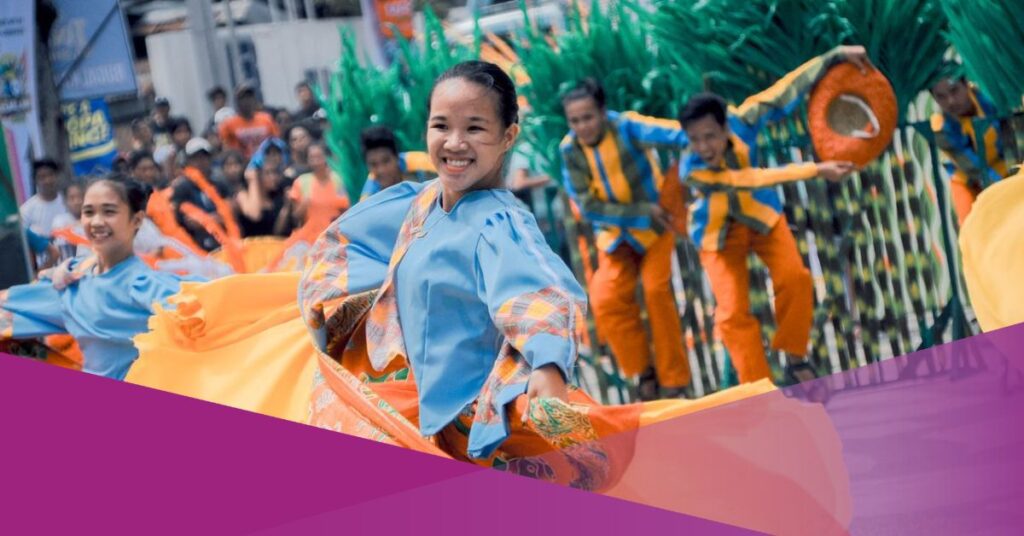
The Philippines is an archipelagic nation in Southeast Asia known for its diverse cultural heritage. Shaped by centuries of foreign influences and historical developments, Filipino culture continues to play an important role in everyday life.
The Philippines offers a fascinating cultural landscape. Understanding Filipino culture provides valuable insight for expat in Philippines.
The Historical Foundations of Filipino Culture
Filipino culture has developed through centuries of interaction between indigenous communities and external influences. Before the arrival of European colonisers, various ethnolinguistic groups across the archipelago had already established thriving societies and cultural traditions.
The arrival of Spanish explorers in the 16th century significantly influenced Philippine society. Spanish rule introduced Christianity, spanish culture and linguistic influences that remain visible today. Later periods of American and Japanese occupation also contributed to the country’s evolving cultural identity.
Despite these influences, many indigenous customs and traditions have survived, creating a unique blend of local and foreign cultural elements that characterise modern culture.
Official Languages in the Philippines
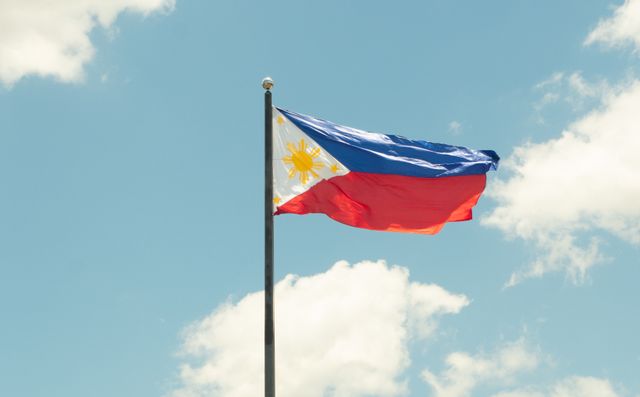
Language is an important aspect of Filipinos identity. The Philippines recognises Filipino and English as its official languages.
Filipino, which is largely based on Tagalog, serves as the national language and is widely spoken throughout the country.
English is commonly used in education, government, business, and media. The use of the language make the Philippines one of the largest English-speaking nations in Asia.
In addition to the official languages, more than 180 regional and indigenous languages are spoken across the archipelago, reflecting the country’s remarkable cultural and linguistic diversity.
Ethnic Groups in the Philippines
The Filipino people consist of more than 182 ethnolinguistic groups, most of which have Austronesian origins. These ethnic groups contribute to the country’s rich cultural heritage and regional diversity. So, let’s get to know them!
Tagalog
The Tagalog people form the largest ethnic group in the Philippines. They primarily inhabit Metro Manila and much of Central and Southern Luzon. Tagalog culture has significantly influenced the development of the national language.
Visayan
The Visayan people represent the second-largest ethnic grouping in the country. This broad category includes several subgroups, such as the Cebuano, Hiligaynon (Ilonggo), and Waray communities, each with its own language and cultural traditions.
Ilocano
The Ilocano people are concentrated in Northern Luzon. They are often associated with strong agricultural traditions, resilience, and a rich literary heritage.
Bicolano
Located mainly in the Bicol Peninsula, the Bicolano people are known for their distinctive cuisine, which frequently incorporates coconut milk and chilli peppers.
Kapampangan and Pangasinense
These groups inhabit the central plains of Luzon and maintain their own regional languages, culinary traditions, and cultural practices.
Indigenous Communities
The Philippines is also home to numerous indigenous ethnic, including:
- Moro (Bangsamoro) communities in Mindanao and the Sulu Archipelago
- Igorot groups in the Cordillera mountain region
- Aeta communities, considered among the earliest inhabitants of the archipelag
Traditional Culture and Filipino Values
Traditional culture remains deeply embedded in Philippine society. Family is considered the fundamental social unit, influencing many aspects of daily life.
Several values continue to guide social interactions among Filipino people.
Hiya
Hiya refers to a sense of social propriety, modesty, and personal dignity. It encourages individuals to act respectfully and avoid behaviour that may cause embarrassment to themselves or others.
Pakikisama
Pakikisama emphasises harmony and cooperation within groups. It reflects the importance of maintaining positive relationships and fostering community spirit.
Bayanihan
The concept of bayanihan represents communal unity and mutual assistance. It highlights the willingness of communities to work together for a common purpose, particularly during times of need.
Arts and Cultural Heritage
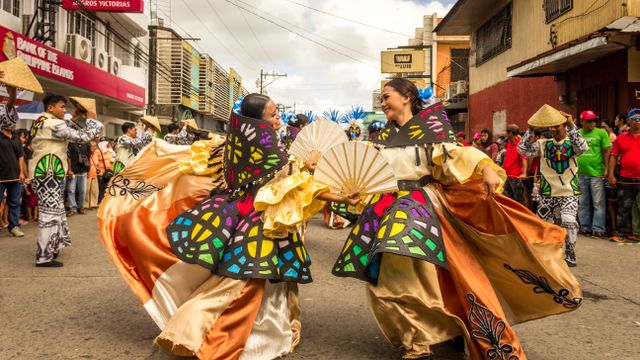
The arts continue to play an important role in preserving Filipino culture. Traditional dances such as Tinikling and Singkil are regularly performed during cultural celebrations and educational events. These dances reflect regional histories and artistic traditions passed down through generations.
Music also remains a significant part of Filipino life. Traditional instruments such as the kulintang and kudyapi are still used in some regions, particularly among indigenous communities.
At the same time, contemporary music genres continue to evolve, blending local influences with international styles. Visual arts, weaving, woodcarving, and textile production also contribute to the preservation of Philippine cultural heritage.
Philippine literature reflects the country’s historical experiences and cultural identity. Some of the most popular literature are: Noli Me Tángere and El Filibusterismo and Florante at Laura.
Filipino Cuisine and Street Foods
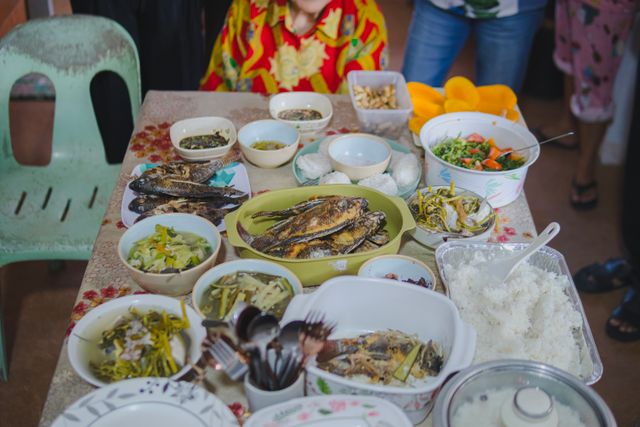
Food offers another window into Filipino culture. Philippine cuisine combines indigenous traditions with Chinese, Spanish, American, and other Asian influences.
Balut
Balut is one of the most recognisable street foods in the Philippines. It consists of a fertilised duck egg that is boiled and eaten directly from the shell. While it may seem unusual to some visitors, it remains a popular snack among many Filipinos.
Sisig
Originating from Pampanga, sisig is a savoury dish traditionally made from various pork cuts, seasoned with citrus and spices.
People Also Ask
1. What are the main characteristics of Filipino culture?
Filipino culture is characterised by strong family ties, respect for elders, community cooperation, hospitality, and values such as hiya and pakikisama.
2. What are the official languages of the Philippines?
The official languages of the Philippines are Filipino and English.
3. Why is Philippine literature important to Filipino culture?
Philippine literature preserves the country’s history and cultural identity. Works such as Noli Me Tángere and El Filibusterismo played a significant role in shaping national consciousness.
Cover photo by jessie sumaria jr from Pexels