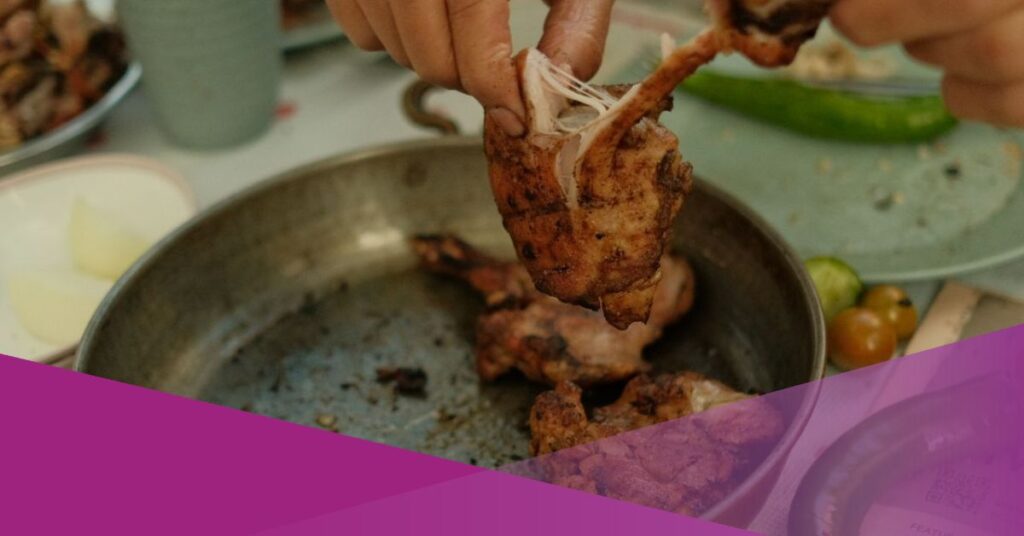
When people think of Filipino food, dishes such as adobo, sinigang, or lechon usually come to mind. However, there is another dish that often surprises foreigner because of its unusual origin.
Called pagpag, this food has attracted international attention after videos of people eating it went viral on social media. While many see it as an extreme dish, for others it represents resilience and survival during difficult times.
What Is Pagpag?
The word pagpag literally means “to shake off dust”. The name refers to the way leftover food is cleaned before being cooked again.
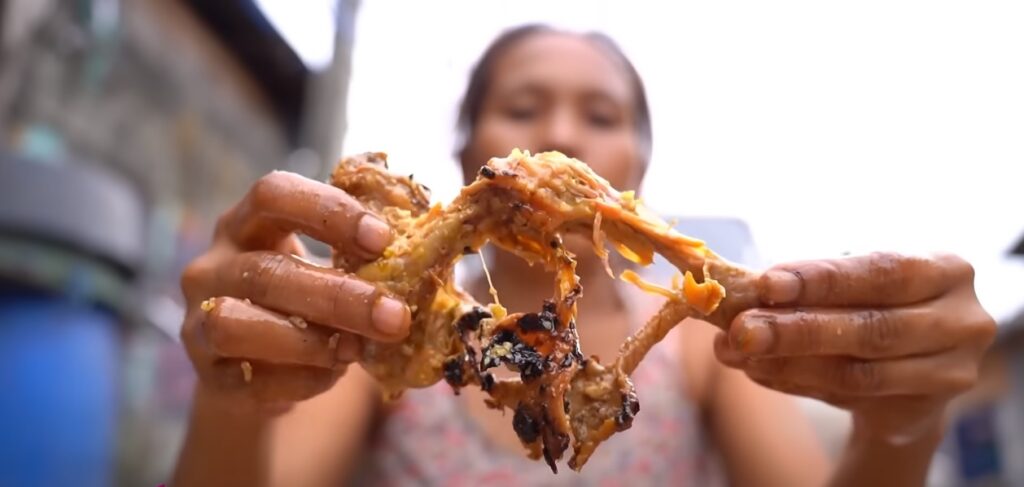
Unlike traditional Filipino dishes, pagpag is made from discarded food, most commonly leftover fried chicken and other meat collected from restaurants, fast-food outlets, supermarkets, or rubbish bins.
After being collected, the food is washed several times, chopped into smaller pieces, seasoned with spices, and deep-fried before being served.
Although it may sound unusual, pagpag has been eaten in some of the country’s poorest communities for decades.
It became more common during periods of severe poverty and unemployment, when many families struggled to afford fresh meat. For some households, it remains one of the few affordable sources of protein.
Residents usually search for edible leftovers very early in the morning before the waste is removed. They then sell the food to vendors, who prepare it and offer it to local residents for around ₱20–₱30 (roughly 0,32 USD) per serving.
Many people who have tried pagpag say it tastes similar to reheated fried chicken or other familiar takeaway food, despite its unusual origins.
Why Is Pagpag Controversial?
While pagpag helps many families put food on the table, it also comes with serious health concerns.
Because the food has already been discarded, there is a higher risk of contamination from harmful bacteria such as Salmonella, E. coli, and Listeria. If the food is not cleaned or cooked thoroughly, eating it can lead to food poisoning, diarrhoea, parasitic infections, and other illnesses.
Several documentaries have shown how pagpag is collected and prepared. Some families even sell it within their neighbourhoods as a way to earn a small daily income.
For many Filipinos, however, pagpag is about much more than food. It reflects the reality of poverty and the difficult choices some communities face every day. While one part of the city enjoys fine dining, another relies on discarded food simply to get through the day.
Organisations including the World Health Organization (WHO) and UNICEF have raised concerns about the health risks associated with consuming discarded food, particularly for children and vulnerable communities. Even so, this dish continues to exist because it provides an affordable meal for people who have few other options.
For foreigner or Philippines expat, pagpag offers a different perspective on the country’s food culture. Rather than being a local delicacy to try, it serves as a reminder of the social and economic challenges that some communities continue to experience.
Photo by Fatih Kılıç/Pexels